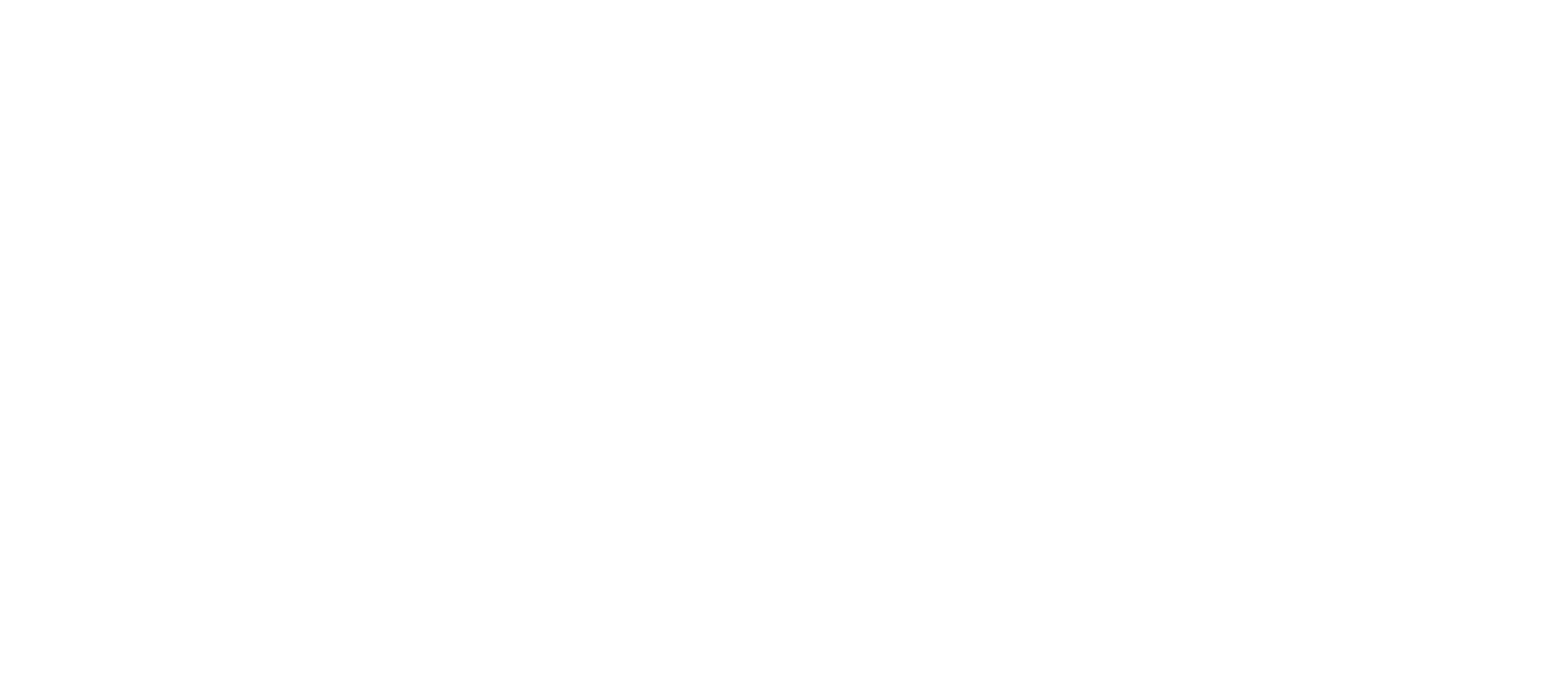
CMOs are often the window to the world. They need to systematically “decode the world” to understand cultural shifts and drivers, so they can respond intelligently to changing values, needs, and desires. That is why Meta has launched its Culture Rising: 2022 Trends Report, which explores four major global themes as well as 20 related trends that represent some of the most significant cultural changes around the world in the past year. Based on aggregated and anonymized company user data as well as an original 12-market global study, the study indicates signals of change and provides a cultural forecast for the next 12–18 months.
We interviewed Claire Davies – who leads the Meta Foresight team – to identify key learnings on how these trends can help CMOs drive humanized growth.
“For CMOs, it’s essential to truly see people for who they are and what they stand for. Understanding our trends helps CMOs connect with people and create a positive impact on the themes that truly resonate. Interestingly, our research revealed people’s hunger for more interactive and immersive experiences. It seems people haven’t run out of attention – they just need a good reason to spend it with brands. Rather than just focusing on the technology, Culture Rising helps provide the unlock for CMOs to deliver such experiences in a humanized way.”
Asking Claire about the most interesting insights she said, “One statistic that stood out is that 65% of people say they now expect more out of work and life. That presents a big challenge for CMOs. We managed to reveal such insights by looking at both the ‘what’ people are talking about, as well as researching ‘why’ they do so. The result is the identification of plausible futures, to ensure CMOs understand which trends are moving from niche to norm.”
Inspired by Claire Davies, Head of Meta Foresight, Partner of the IRG
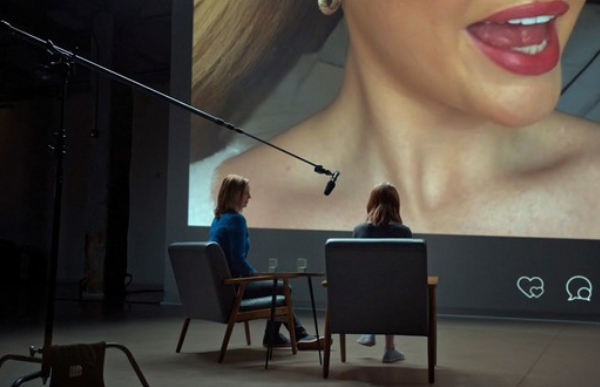
In the latest Humanizing Growth Series, we had the Chairman of Cannes Lions, Philip Thomas, explaining the role of creativity in delivering business results. Amongst the many insights, he shared why long-lasting relations between brands and their agencies pay off. Insights from analyzing tens of thousands of pieces of work from the Cannes Lions dataset show that it’s better to stick to the agency than to hire a new one. Philip also explained how the combination of having a strong purpose and excelling in creativity creates growth for brands.
Take a look at Dove, which has been working with Ogilvy for 60 years. They have managed to stick to their purpose, while continuously excelling in creativity. The latest work on the #DetoxYourFeed is a great case in point.
“New research from the Dove Self-Esteem Project shows 1 in 2 girls say toxic beauty advice causes low self-esteem. Worse still, this advice is prevalent on their social feeds. Dove is not ok with this nor am I,” says Unilever’s CEO Alan Jope.
To combat this issue, Dove worked with Ogilvy to create the #DetoxYourFeed campaign, which inspires and empowers young people to turn their social media feeds into a positive space. The campaign uses deep fake technology to demonstrate to mothers and teenage girls the negative impacts that beauty influencers can have on their daughters’ self-esteem. Watch it here.
Inspired by Alan Jope, CEO of Unilever & Philip Thomas, Chairman of the Cannes Lions festival
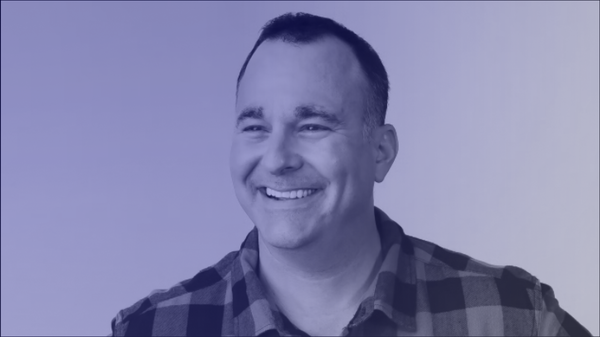
As the CMO of one of the world’s biggest advertisers, Pepsi’s Todd Kaplan is constantly pioneering in both the on and offline world. For example, he and his team sold 1,893 NFTs in the metaverse, virtual microphones depicting various soft drink flavors offered by Pepsi. The brand also brought this year’s Pepsi Super Bowl Halftime Show to epic proportion with star-studded performers, such as Dr. Dre, Snoop Dogg, and Mary J. Blige. Find his thoughts on advertising below.
“I don’t like the word ‘advertising’ – it feels one-sided and reeks of an old-school model of brands ‘talking at’ consumers.
If brands want to be culturally relevant today, they need to think beyond advertising and create relevant ‘opt-in’ brand experiences. The game has changed – it is less about brands convincing consumers and more about brands creating distinctive and engaging experiences that consumers want to seek out, learn more about, and participate in themselves.
Make content, not ads. Create experiences, not activations. Build communities, not social posts. This simple change in mindset will ensure consumers no longer feel as if they are being ‘chased’, but rather that they are being ‘invited’. This is an approach that has worked for me over the years. I’d love to hear what’s worked for you?”
Inspired by Todd Kaplan, IRG participant 2022 & CMO of Pepsi.
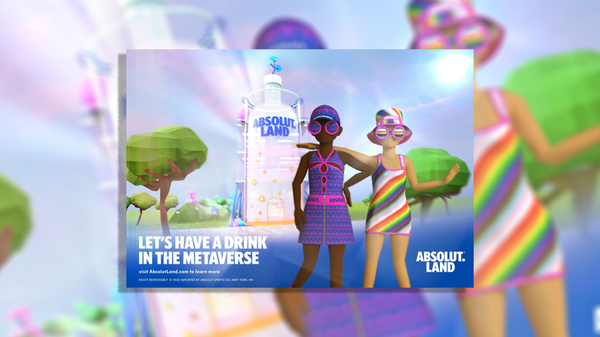
For anyone who wants to get a good sense of how brands enter the Metaverse, Absolut provides a great case. As the sponsor of Coachella Music Festival, the brand brought the festival experience from the real world into the Metaverse and vice versa.
The experience took place in Decentraland, a virtual world where people’s avatars can live, play, and socialize. It’s a metaverse platform that you could consider a digital village. Entering the Absolut.Land experience makes avatars dance without controlling it. While dancing, visitors could get a sneak peek of the real world and even interact with real-life visitors.
Activations in the real world were digitalized, featuring the ‘antigravity’ dance floor accessed via a colorful ‘Pride Tunnel,’ and a selfie room where users can screenshot their avatars. There was an opportunity to order cocktail kits, play songs on a jukebox to dance, and unlock wearables. In the physical experience, people could jump in and be a bartender and serve people (avatars of course) drinks in Absolut.Land’s metaverse world, while connecting and interacting regardless of where they are.
About 600 avatars were already lined up before the metaverse experience opened its doors. Over the weekend, Absolut.Land attracted 30,000 players.
The success of a brand like Absolut relies heavily on being at the forefront of culture. Going into the metaverse is a way to observe emerging youth culture, experiment with digital innovation, and prove that Absolut is a catalyst for great experiences. As the brand is convinced that the Metaverse offers a way to socialize in the future, Pam Forbus revealed that Absolut has doubled its media investment this fiscal year with nearly 80% going to digital and about 10% of its annual marketing spending to the Coachella program.
Inspired by Pamela Forbus, IRG participant 2022 & CMO of Pernod Ricard North America
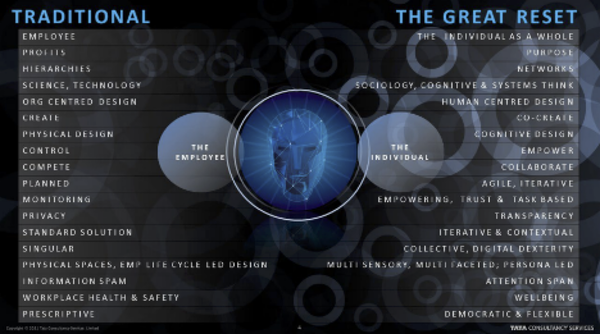
Recent research by the IRG amongst its IRG100 participants found Employee Experience (EX) to be considered one of the most critical levers to unlock growth. Building on this insight while reflecting on ‘the great resignation’ makes it clear that the EX has some new parameters. How do you define the role of leaders in the new reality of hybrid working and catering to new expectations around work-life balance? Rashmi Bhaskar Mukherjee, IRG participant 2022, wrote an article on this topic for the WEF . Below we share three of the five ways leaders can reframe their approach in a post-pandemic world.
1. Look at individuals as a whole. An employee’s work persona is just one part of their broader life experience, embedded deeply within the community and wider society. Leaders must shift their mindset to acknowledge that employees’ experience goes beyond work.
2. The role of leadership is to create psychologically safe spaces for employees. Studies have highlighted the unprecedented level of stress and burnout for employees during the pandemic. Ensuring employee well-being is particularly important and challenging when staff are working remotely or in hybrid work schedules.
3. Leaders are responsible for making sure that employees have equal access to opportunities at work. It is well-known that women have been disproportionately impacted by the pandemic caused by company inflexibility, domestic responsibilities, and stress. True equality is about creating conditions that generate similar outcomes for diverse individuals – irrespective of levels, backgrounds or social status.
Inspired by Rashmi Bhaskar Mukherjee, IRG participant 2022, Director Experience Reimagination & Future of Work, Digital Workplace, Tata Consultancy Services
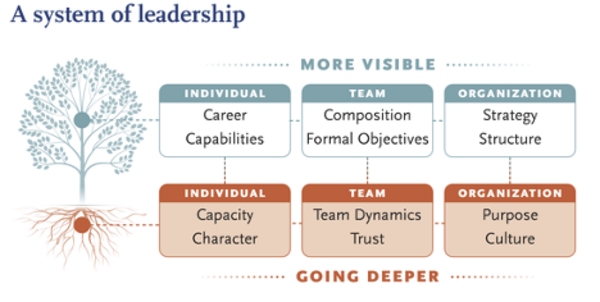
Now, with a “new normal” on the horizon — one that promises even more rapid change, continued uncertainty, complexity and increased accountability to a broader set of stakeholders — the most effective organizations will embrace a leadership model that enables individuals and organizations to be more agile in sensing and responding to changes in the business context, according to Spencer Stuart.
Leaders increasingly will move away from classic leadership models relying on individual heroics and from-the-top directives that worked well when conditions were more stable and predictable. They will become comfortable having less control.
When market conditions are more dynamic and unpredictable, leaders have to let go of the urge to control and direct and, instead, focus on creating the conditions for success. Leaders can’t direct thousands of people in an organization to feel trust, but they can build trust by exhibiting humility, empathy and authenticity in their interactions and communications. That’s why looking below the surface to an individual’s capacity and character — the more general patterns of behavior, character traits and style preferences — has become more important.
According to Spencer Stuart, a system of leadership in today’s unpredictable environment calls on individuals, teams and organizations to dive deeper below the surface. Find more insights here
Inspired by Greg Welch – Partner at Spencer Stuart, Partner of the IRG and guest in the Humanizing Growth Series (find the episode HERE)
IRG participant of 2020, Andrew Geoghegan recently shared his optimism about our beloved marketing industry. His column in the Marketing Week describes why marketing is fun and its functionality. Also, the article delves into the importance of looking outwards, being creative, establishing effective leadership and influence, and creating positive impact:
“Right now feels like the moment to forge ahead, and remind ourselves of the things in our sphere of control and what will motivate us. It’s a great moment to remind ourselves of all the exciting things marketing offers us.
It is about a more holistic job to be done in understanding the material impacts of your brand and business; how to reduce harm and create better foundations for all your stakeholders – consumers, customers, employees and communities. Marketers have a broad role to play in championing inclusion, fair wages and a transparent supply chain, and enabling consumers in turn to make considered choices and reduce their impact on the world.”
Inspired by Andrew Geoghegan, IRG participant of 2020 and Chief Marketing Transformation Officer at FMCG giant PZ Cussons.
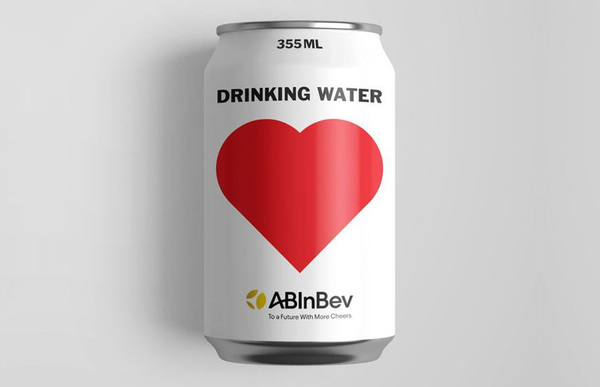
When Covid hit, some brands quickly turned their production facilities around to create products that people needed the most; for instance, AB InBev started producing hand sanitizers to lower the infection rate. Last week, AB InBev provided 2 million cans of emergency drinking water to Ukraine and other surrounding refugee relief areas.
AB InBev’s purpose is to bring people together for a better world. That is why the company also provides critical assistance to its 1,800 employees in Ukraine and their families including providing housing and financial support. In addition to donating to the Red Cross, AB InBev is working in partnership with them, other CPGs, and local NGOs to provide food, blankets, medical supplies.
Inspired by Julie Yufe – Head of Growth Markets Europe, AB InBev, IRG participant 2021
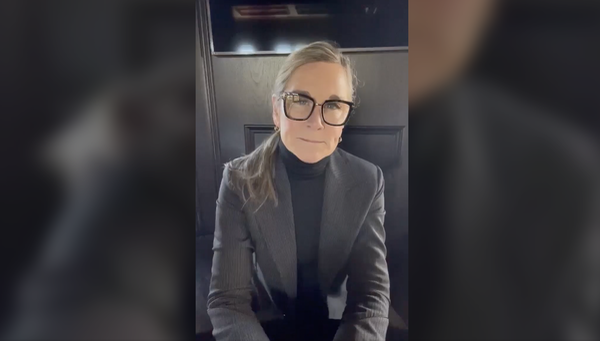
In one of the Humanizing Growth Series episodes, the IRG interviewed Angela Ahrendts. The former CEO of Burberry and SVP of Apple Retail explained how she used the power of authenticity and vulnerability in her leadership by creating three-minute videos to talk to her 55.000 colleagues. Last week, she created a one-minute video for her +820.000 followers on LinkedIn.
“Hi there, we are all horrified by what’s happening in Ukraine and it breaks your heart like it does mine. And you’ve been searching for a way that you can help. I just want to let you know that Save the Children has been on the ground in Ukraine since 2014 and that they’re there now, and they are at the borders. Serving 7.5 million children and their families that are fleeing their homes and the crossfires.
I begin chairing Save the Children 1,5 years ago. And I only share that, so you can rest assured that any support goes immediately and directly to Ukrainian families. So please there is a link below. Go to Save the Children and find the Ukraine appeal. Spread the word to families and friends. To your company. Challenge your company to match your donations. We need to continue to pray to continue to support the people of Ukraine. thank you for anything you can do thank you for all your help, thank you.”
Inspired by Angela Ahrendts – Former CEO of Burberry and SVP Apple Retail. See the full post here.

“It’s no surprise that the upheaval of a global pandemic, combined with increasing anxiety about climate change, and a renewed focus on racial justice have pushed businesses to place greater emphasis on purpose and sustainability. No one wants to be embarrassed to tell their friends who they work for, especially when so many people are turning away from the corporate world.”
These are the words of Ella McKay, 2022 IRG100 participant and managing director of One Young World. They serve as a response to the annual letter of Terry Smith, founder of Fundsmith Equity Fund. Smith blamed Unilever to be “obsessed with publicly displaying sustainability credentials at the expense of focusing on the fundamentals of the business”. According to McKay, in our age of activism, no brand can afford the reputational risks of not being seen to be purposeful by customers and perceived to be ethical by employees. Truly purposeful companies will be the ones that ultimately thrive.
Although ‘making money’ is indeed fundamental to business, at the IRG, we consider it an outcome and not a prime objective, which focuses on attracting the right talent, providing a meaningful place to work, and delivering value to customers and communities. We believe the future of business is about creating value for all stakeholders.
Inspired by Ella McKay, 2022 IRG100 participant and managing director of One Young World. Read her full article here.