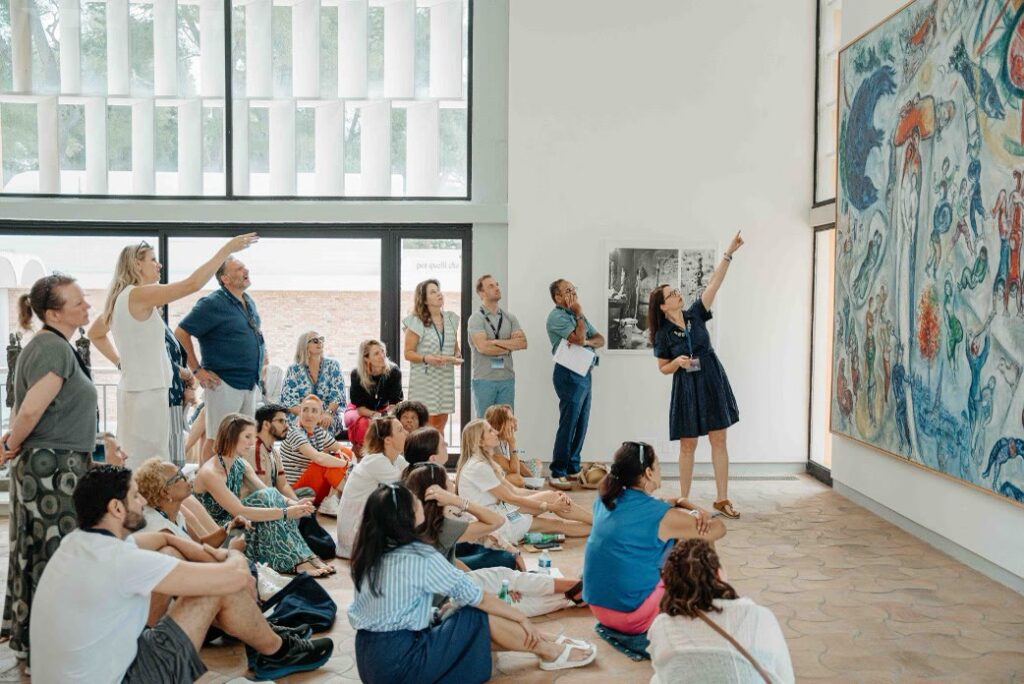
A week before the Marketing2030 launch, Marc steps back from the findings to the people and organizations behind them: a room where nobody is selling anything, and the IRG Inspirator that opens that learning to many more Marketing leaders.
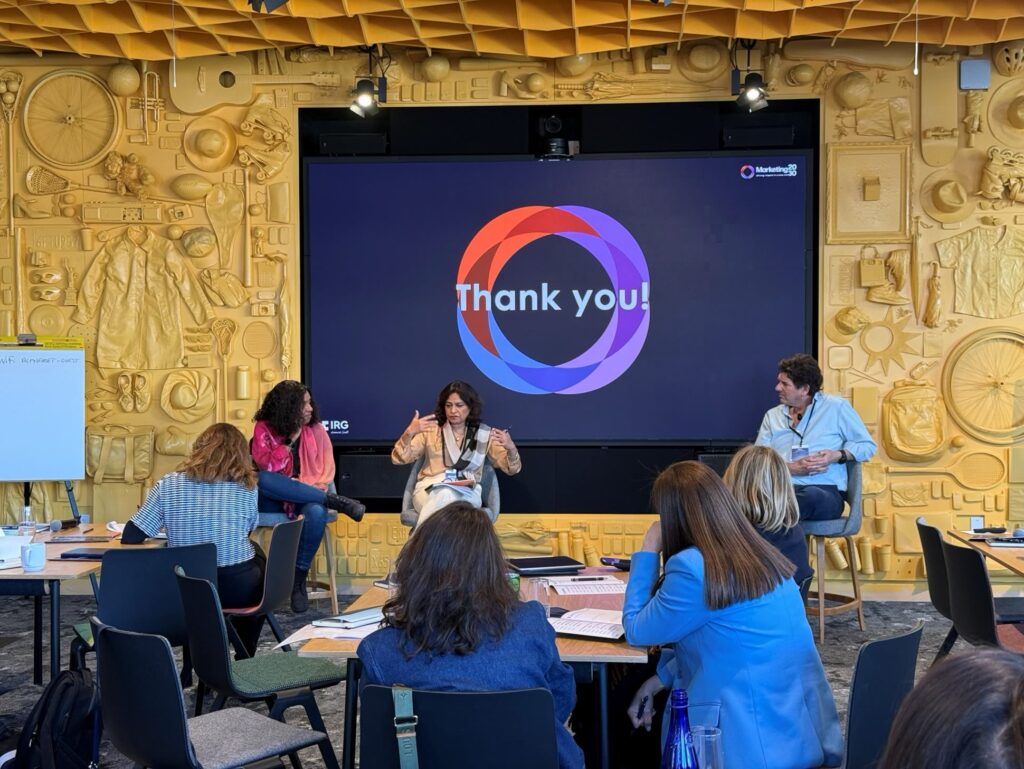
The Phase Two findings: winning companies are running two engines at once, an AI-powered efficiency engine and a human-powered business engine — and Marketing’s opportunity lies in what the machines cannot do.

Marketing2030 began by reading more than 250 studies and reports. It found six contradictions leaders now face at once — and they are balances to hold, not choices to make.

A week in a former monastery, a chapter of Jonathan Sacks, and a question business used to answer without thinking: who does a company exist to serve? The opening letter of the Marketing2030 series.

How marketing leaders at Diageo, Unilever, GSK and American Express built standing across the enterprise, and why chief executive is treated as the next promotion.

What a global marketing organization has to build — shared language, skills, planning tools — before it can hand a concept to a local team and step back.

Role clarity, not role breadth, is what makes a global marketing organization work — with the benchmarking numbers, four models for the center, and the rules that make a redesign stick.

Where long-horizon brand work loses to short-term spend, why the second year decides a launch, and what shared metrics between global and local teams change.
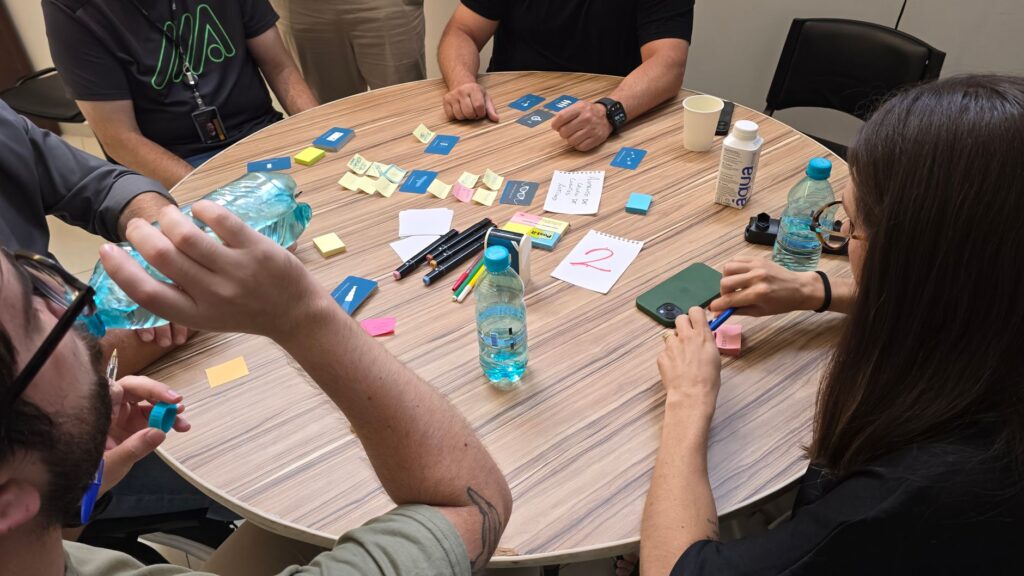
Inspiration handled as a management discipline: the purpose, the tight brief, and the internal engagement work that releases energy most organizations never ask for.

Why global marketing breaks down on relationships before it breaks down on strategy, how markets group by their relationship to the center, and what closeness costs to build.