

Skip to content Join the IRG Community

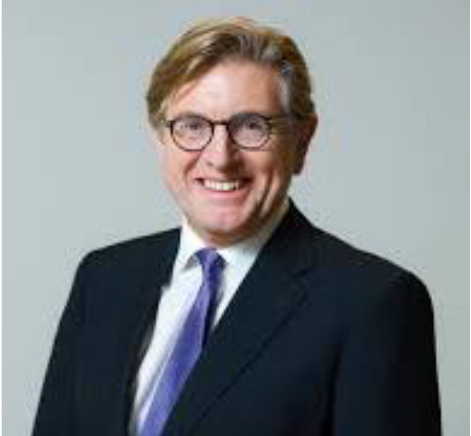
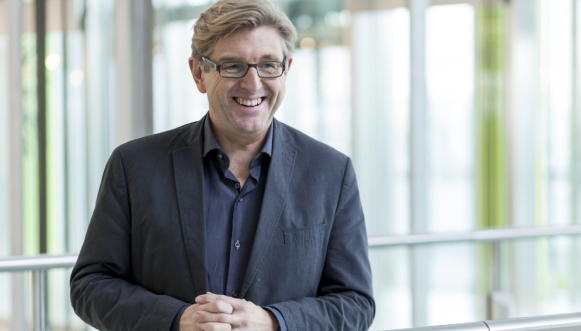
Keith Weed

Keith Weed, Unilever’s Chief Marketing and Communications Officer from 2010-2019 was a member of the Unilever Executive and responsible for the Marketing, Communications, and Sustainable Business functions. He currently serves as an independent Director on boards of WPP and Sainsbury’s, President of the Advertising Association, and President of Designate Royal Horticultural Society.

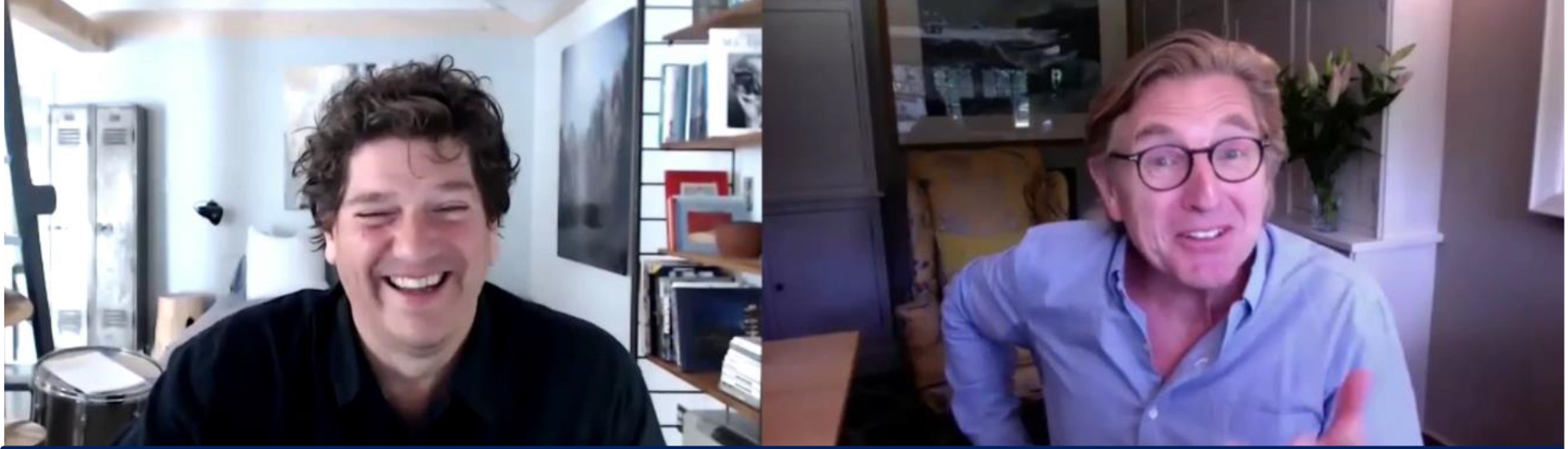
As part of the Humanizing Growth Series, Keith sat down with IRG Founder Marc de Swaan Arons for a ‘virtual fireside chat’ about Purpose, Leadership, and the evolving role of the CMO.

Marc: “Keith, in 2009 Paul Polman said to you; ‘Never waste a good crisis’. That was the start of a 10-year journey that we will be talking about. Now, here we sit, not even able to go to our offices after a much bigger crisis. It strikes me that it’s the right time to have this conversation.”

Keith: “What I’m keen to do is to try and engage with people about this journey in business which is focused on getting businesses to really go back to where they used to be. They started out by serving society and serving people. And if you served a person with a product or service better than someone else, your business would grow. And your competitor’s business would decline.

I think somewhere in the ’80s and ‘90s businesses lost that compass and started focusing on ‘selling more stuff.’ When you’re just about ‘selling more stuff’, I think then you stop putting the consumer and society in the center of your business. Instead, you put all sorts of other things there, including shareholders (which are very important, don’t get me wrong), but it’s not what businesses are about as far as serving consumers and customers.

When Paul Polman arrived at Unilever, he said to me, ‘I want you to be the Chief Marketing Officer and run sustainability and I also want you to run communications. What we want to do is reinvent the way we do business. Put sustainability, environmental, and social sustainability at the core of the business.”

“If you’re a CMO now, I would start making a case for you taking over Communications. Because in a joined-up internet world, you can’t have two people in the executive managing the narrative”

Marc: “I want to go back to the journey. There’s you and the small cadre of people that Paul Polman has now had the opportunity to bring into his leadership team, and there is this vision of going back to the roots of driving growth for all stakeholders – with the understanding that it will be financially the smart thing to do as well. Can you talk about the internal and the external engagement process when you had your strategy defined?”

Keith: “To be clear, it is about making money as well. I want to emphasize that because I’ve had conversations with people, particularly in the US where they say, ‘What is the business case for environmental and social sustainability?’ I always answer, ‘I’d love to see the business case for the alternative. I’d love to see the business case for destroying the very planet we live in. The business case for destroying the societies we’re trying to serve.

I do think this is also about business delivery, and I hasten to add that during those nine years- every year, we grew volume, profits and tripled the share price delivered to shareholders. Yes, it was about hard-nosed business delivery, but it was created through a strategic shift.

Paul gave me Communications as well and initially, I didn’t understand why. If you’re a CMO now, I would start making a case for you taking over Communications. Because in a joined-up internet world, you can’t have two people in the executive managing the narrative. An internal memo one day can be an external memo another day. What I could do is join up the story.

Unilever is in 190 countries, so you can imagine the amount of external engagement. I’m a great believer that one of the best ways to communicate to your internal audience is through external communication.”

Marc: “Let’s talk about the functional side. If you go to the function of marketing, what do you think are the the core competencies?”

Keith: “The first and most important thing is being curious. Curious about what’s going on in the world and how you, your brand and your service can achieve a future that has a more positive impact on the world and on people. One of the first things I do when I visit someone’s house is go to the bathroom, lock the door, and open the cupboards just to see what they’ve got in them.

I think marketers should be curious about what’s around you. Of course, you’ve got to look at big market research reports, but you can also talk to friends and families.

People-focused. Put people first and real people. People aren’t a ‘head of hair’ looking for a shampoo or ‘pair of armpits’ looking for deodorant. They are real people with real lives. Understanding this would be another key component I would champion.

Unlock the magic. Realize that marketing is art and science. It is creativity and effectiveness. It is magic and logic. More than ever, we need to get more magic, more creative to break through the clutter and get noticed, but we need to work more with logic and leverage data and insight and that’s more possible than ever before. You don’t have to be a brilliant marketer to be a brilliant marketing leader, but you have to surround yourself with brilliant marketers. I believe in committing to training and committing to coaching.
You never see a football team that sits around eating chips and drinking beer all week and then gets up at the weekend and ‘gives it a go’. They train, they coach, they build skills, but somehow in business, people think- I don’t have time for that cause I’m too busy.

I believe in building skills, especially for marketers in this ever-changing world. You’re very quickly out of skill. That’s why marketers need to tweet and post and why they need to watch TV and cinema, and effectively live the life their consumers are living – that capability is important. If you can do the metrics bit and then the capabilities bit, I think you can unlock the potential of your marketing team.”

Watch the video

Listen to the podcast

Read the transcript of the interview

  • Download PDF
  • Marc de Swaan Arons in Conversation with Keith Weed

    May 22nd, 2020

    Marc: Keith, in 2009 Paul Polman, said to you, 'Never waste a good crisis' and that was the start of a 10-year journey that we will be talking about. Now, here we sit, not even able to go to our offices after a much bigger crisis. It strikes me that it's the right time to have this conversation.

    Keith: What I'm keen to do is to try and engage with people about this journey in business which is focused on getting businesses to really go back to where they used to be. They started out by serving society and serving people. And if you served a person with a product or service better than someone else, your business would grow. And your competitor's business would decline.

    JI think somewhere in the '80s and ‘90s businesses lost that compass and started focusing on 'selling more stuff.' When you're just about 'selling more stuff', I think then you stop putting the consumer and society in the center of your business. Instead, you put all sorts of other things there, including shareholders (which are very important, don't get me wrong), but it's not what businesses are about as far as serving consumers and customers.

    When Paul Polman arrived at Unilever, he said to me, 'I want you to be the Chief Marketing Officer and run sustainability and I also want you to run communications. What we want to do is reinvent the way we do business. Put sustainability, environmental, and social sustainability at the core of the business.'

    DECODING THE WORLD

    Marc: You had done a marketing role then moved on to a P&L role and were tempted back for a role which was called Chief Marketing Officer. I think how you were enticed to play that role is good for everybody to hear,

    Keith: Paul was keen to bring about a strategic change for Unilever. The company executive had people that were running North America or Europe or Tea or Ice Cream or Personal Care. Although they were part of Unilever, their primary focus was on those parts of the business. But he said I want you to be able to see across Unilever and maybe reinvent the way business is done within Unilever.

    I started off doing a comprehensive piece of trends work in understanding where the business is going. I often used to tease our very good CFO, his job was to count where the money was going and make sure it was spent responsibly. But my job was to work out where the money was coming from, and how we were going to grow into the future. As a marketeer, I think if you can bring the outside in and the future forward it is a tremendous relief to your colleagues on the executive.

    So, we did a big piece of trends work, and unsurprisingly, one of them was about sustainable challenges to the environment.

    Marc: Just to emphasize a point- according to the DaVinci CMO Growth profile, number one on that list is 'Decoding the World'. A testimony to the plea you just made. But I think it's also good to emphasize that it's not just about consumer insights.

    MULTI-STAKEHOLDER APPROACH

    Keith: No, it's business as well because one of the other trends was about the world going digital. I’m sure you'll think that is obvious, but 10 years ago, it wasn't obvious to a company like Unilever that digital would have any meaningful impact. I made one of the very early trips to Silicon Valley and took the executives with us. I felt my job was to bring the outside in and future forward, and I've been going to the Consumer Electronics Show in Vegas for the last 10 years.

    I think the answer is that this is about multi-stakeholder approach, understanding how a business goes together and absolutely putting the customer at the core. In fact, at Unilever, we used to say that our number one priority is our consumer, and then we went on and talked about our retailers and our employees. If all those are well satisfied, then shareholders will be well rewarded. The notion was that shareholders being rewarded because we were doing our job well and the business thriving was a key part of that multi-stakeholder approach.

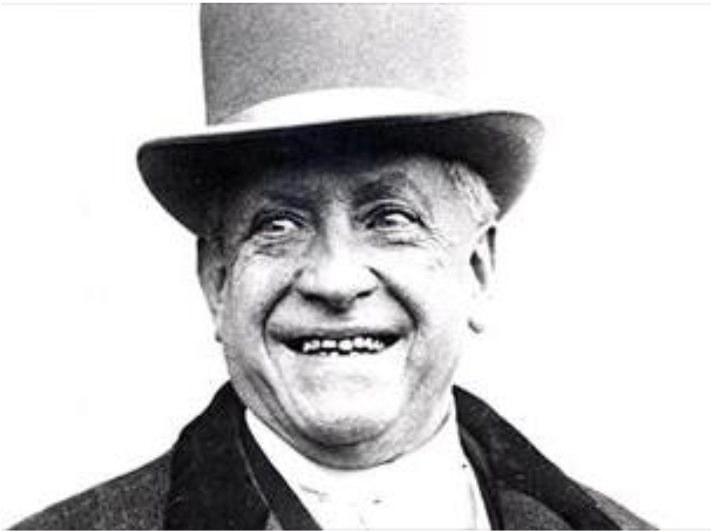
    Let's unpack multi-stakeholder a little bit more because the big thing about the multi-stakeholder approach as a marketer is not getting caught up in thinking that it's just about brands and advertising. I think that as a marketer, it is about owning the growth levers to all your different audiences and being able to bring that to the board table. If we go back to the origins of Unilever, Lord lever was quite sociological in many ways. He saw the dirt and squalor of Victoria in England and very much felt that there was something he could do about it, and that thing was bringing soap to the masses. Way before EY and McKinsey were saying we should have purpose statements; Lord Lever had a purpose statement. He wanted to 'make cleanliness commonplace.

    It's interesting seeing the ads at the moment during COVID-19. They very much talk to the benefits of washing your hands with soap, which indeed is the first line of defense, but then they say wash your hands with Dove *or any soap*, and they put the logos up of their competitors making it much more of a public service. I think what's good about that is that they're then not seen as taking advantage but more as a service to society.
    Marc: Talking about purpose, I find that often the Americans say, 'Yeah that's a European thing,' and it's absolutely not true. At the same time as Lord Lever was working up in the North of England, Hershey was building a village that had childcare and education, and it was a blueprint. I'd argue that was why people started companies - to make a difference, not to make a lot of money, and somewhere companies lost their way.

    So, you started by understanding the stakeholders, Decoding the World. Then created that as a basis of a strategy process, I'd love you to continue with that journey.

    CREATING A SUSTAINABLE WORLD

    Keith: The other big trends I talked about was people living differently. Understanding the big shift that was going on in the world was people moving into towns. If you move into town, you go from cooking squatting around a fire to cooking standing up using liquid petroleum gas. And if you stand up, you have surfaces either side of you, and you've got surfaces that need cleaning. If you go from outside to inside toilets there are different cleaning needs etc.

    It was really about understanding the bigger needs and being able to build a business accordingly. But the one thing I would like to emphasize a little bit, which goes much more into the territory you're talking about, is the need to create a more sustainable world going forward.

    “We took responsibility for the whole of that value chain. This was not just looking at our own footprint but also looking at our suppliers, where the raw materials came from and then also looking the other way at how our consumers use our products and dispose of our products.”

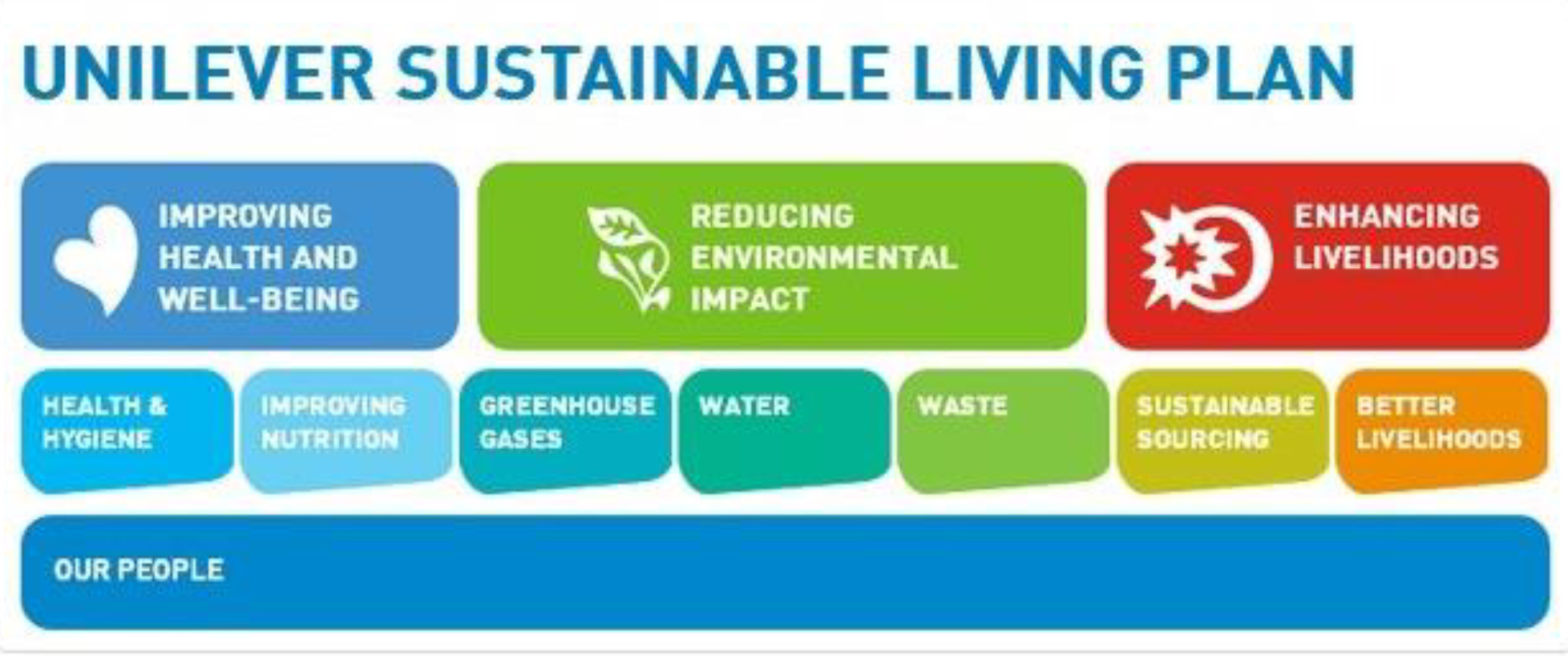
    I think whatever business you work in, this still remains a huge opportunity. We created the Unilever Sustainable Living Plan (USLP) 10 years ago. First, we looked at

    the whole value chain. This was not just looking at our own footprint but also looking at our suppliers, where the raw materials came from and then also looking the other way at how our consumers use our products and dispose of our products. We took responsibility for the whole of that value chain. Still today, most businesses don't do that.

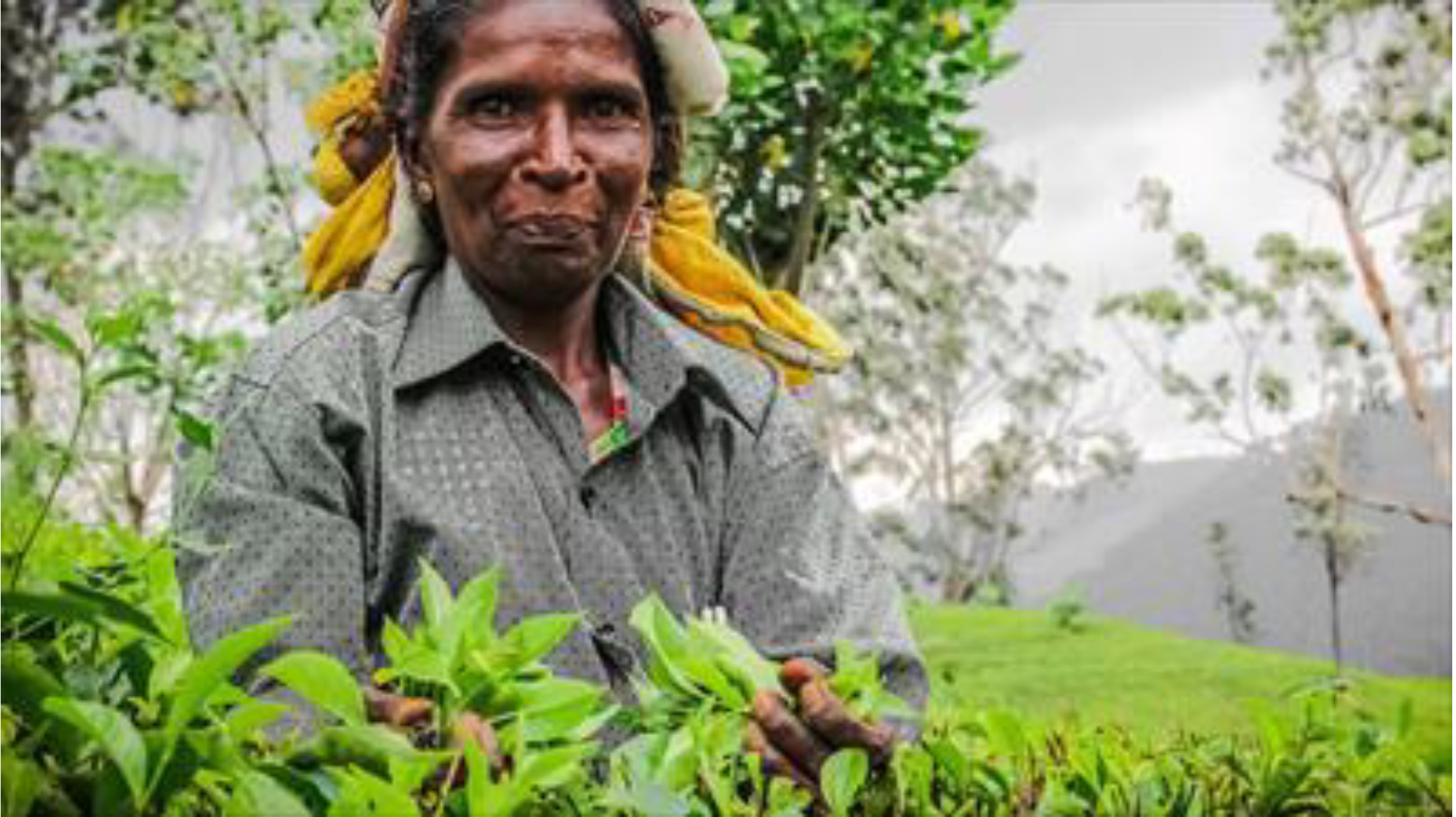
    This would be like the car industry saying that we're responsible for the oil industry and the creation of gas and petrol etc. It made us face issues about agricultural raw materials. Had we carried on the way we were going (Unilever was the biggest tea company in the world) the world would have run out of tea. There was not enough sustainable tea to give everyone. So, thinking about growing agricultural materials sustainably became critical, not just because it was the right thing to do, but actually to future-proof the business.

    Similarly, not just looking at the value chain before us, but also the value chain after us. In doing that, it opened our eyes. At the time, about 7% of our agricultural raw materials were being sourced sustainably, and now it's virtually 100%.

    The journey of that 10 years was significant, and we said to our suppliers, ' we're on this journey, please come with us (and by the way if you don't, you won't be one of our suppliers in the future)'. We gave people years and years of notice and it worked. You can't just change things overnight with a company of Unilever's scale.

    Marc: For a lot of people, when you say the word sustainable, it's translated to 'green'. But you if you broaden that definition of sustainability to include social. Maybe you could talk a little bit about that.

    Keith: When we started the Unilever Sustainable Living Plan, we were very environmentally focused. We targeted around 10% renewables for power and made sure that we took zero waste to landfill from our factories. These were massive targets (which were achieved on the way) but we also realized the importance of society and, in fact, it ended up being environmental, social, and economic sustainability.

    In social, we brought in everything - of course, diversity and inclusion, but also trying to understand how we could help women entrepreneurs- believe it or not, most of the world's farming is done by women who are smallholder farmers. Unilever sources from over 1.5m smallholder farmers around the world. The majority of those farmers are women and what you won't be surprised by is that the vast majority of land that they are farming on is owned by men. So that inequality is still very striking to this day. We started working on this and thinking, "How could we work in a multi-stakeholder way?' To get society to work in the right way, 'How could we help these smallholder farmers source sustainably?' And help them discover that if they worked sustainably, it would be more efficient, and they would get a better yield from their land.

    A nice example at the moment if Unilever in the UK. They have not only supplied hand wash and sanitizer to healthcare professionals, they have also been putting freezers into the hospitals so they can help themselves to free ice cream. And, of course, the workers of those factories work in that community, so it's also a reward from your employers that you can help the community you're in.

    ENGAGING ALL STAKEHOLDERS

    Marc: I want to go back to the journey. There's you and the small cadre of people that Paul Polman has now had the opportunity to bring into his leadership team, and there is this vision of going back to the roots of driving growth for all stakeholders - with the understanding that it will be financially the smart thing to do as well. I'd love for you to take us through the process. In your role, responsible for the stakeholder engagements broadly outside the organization, how did you engage? Who did you engage with? What does that multi-stakeholder engagement model look like? But also internally, you realize it's the right thing to do because it's back to the roots and it feels right but there's

    a lot of people that don't have the information you have that perhaps came in during a phase that was about making money and they don't even know what those roots are.

    Can you talk about the internal and the external engagement process when you had your strategy defined?

    Keith: To be clear, it is about making money as well. I want to emphasize that because I've had conversations with people, particularly in the US where they say, 'What is the business case for environmental and social sustainability?' I always answer, 'I'd love to see the business case for the alternative. I'd love to see the business case for destroying the very planet we live in. The business case for destroying the societies we're trying to serve'.

    I do think this is also about business delivery, and I hasten to add that during those nine years- every year, we grew volume, profits and tripled the share price delivered to shareholders. Yes, it was about hard-nosed business delivery, but it was created through a strategic shift.

    “If you're a CMO now, I would start making a case for you taking over Communications. Because in a joined-up internet world, you can't have two people in the executive managing the narrative”

    Paul gave me Communications as well and initially, I didn't understand why but if you're a CMO now, I would start making a case for you taking over Communications. Because in a joined-up internet world, you can't have two people in the executive managing the narrative. An internal memo one day can be an external memo another day. What I could do is join up the story.

    Unilever is in 190 countries, so you can imagine the amount of external engagement. I'm a great believer that one of the best ways to communicate to your internal audience is through external communication. Because if you say something people think 'well Marc, you would say that', but if you read it in the Wall Street Journal, then it starts becoming the truth.

    One of the exercises was to leverage the joined-up nature of Marketing and Communications and to find a way to deliver a single-minded message. This was building on the purpose that Lord Lever had about 'Making Cleanliness Commonplace' to say that we wanted to make sustainable living commonplace and the idea that Unilever did food and hygiene and cleaning and self-esteem which was the foundation of everyday life. If we could offer consumers a sustainable way of everyday life, we would help sustainable living- that classic thing of setting a vision and direction.

    It is then about engaging everyone. We did this with huge repetition. I can remember Paul saying that he was bored of a particular speech he'd given five times one way or another and me saying you need to give it 10 times. You need to repeat and repeat

    and repeat. Of course, refresh and use different anecdotes, but then also appreciate your audience is different. Some people like to hear numbers, some people like to hear that you'll help a billion people wash their hands properly (which was a ridiculous target but a target which has been achieved), other people like legacy stories and other people like pictures. You need to bring alive your strategy through visions of the future and where the world is going.

    Trying to mix up different ways of engaging people and being empathetic to people's understanding and listening styles, it might not feel right for you but what so many people do is communicate to people in a way that motivates them personally. So they're doing a great job at motivating all the people who are wired the same way but what you have to do is be quite calculating and say, I'm going to do the message this way to get to all the people that are like me, but I'm also going to deliver messages this way to get to these other people etc.

    Marc: You make an important point. In the da Vinci CMO profile the last aspect of what we call these 'winning growth CMOs' is 'an inspiring storyteller'. But inspiring to a financial leader of a company looks very different than inspiring to a marketeer or perhaps the NGO that you're talking to.

    I think Unilever at the time was 160,000 people. Didn't you tell me that you actually met face to face with about 100,000 of those people?

    Keith: Not quite – I think it was about 90,000. I still believe that face to face is by far the best way to engage people, but also to then get people to pass the message on. You need people to cascade this message. To stand up in front of people and say, this is the direction the organization is going, and this is why it's important. By doing this, you’re not only passing the message on but the person who's giving the message is being brought on board as one of the disciples.

    Marc: So how do you do that, Keith? Let's take the CFO as an example. How do you talk to the financial group around an inspiring strategy - like the USLP?

    Keith: I think the answer is what you mustn't do. You mustn't just hold on to your metrics and keep pointing at them and ramming them down people's throats. You need to take on the metrics of the organization. I think owning the breadth of the metrics and owning up where things aren't working is important because it gives credibility.

    I used to quite willingly say, we're making these eco-efficiencies, which are funding the USLP and eco efficiencies are good for the planet because you're saving the impact on the planet, but you're saving money as well. But equally, we said we'd buy all our Palm oil sustainably, and sustainable Palm Oil is a premium price so we had to own up to that premium and be pretty transparent about it.

    I also put a lot of energy on the marketing side to save money, and we saved £1.8 billion over that time in marketing efficiencies. That played an important part in giving us credibility. I think part of it is being just as willing to talk about cashflow as much as you are about the savings program as the CFO. Another tip, never let the CFO own some metrics that they can then beat you over the head with. If anyone was going to

    beat you over the head, beat yourself over the head, in front of the CFO, and then he or she will think you're taking it seriously and seeing the full picture.

    Marc: You'd been a CMO functionally before, but now this was different because now you own comms and you were engaging with a much broader multi-stakeholder set of people outside of Unilever. How was that?

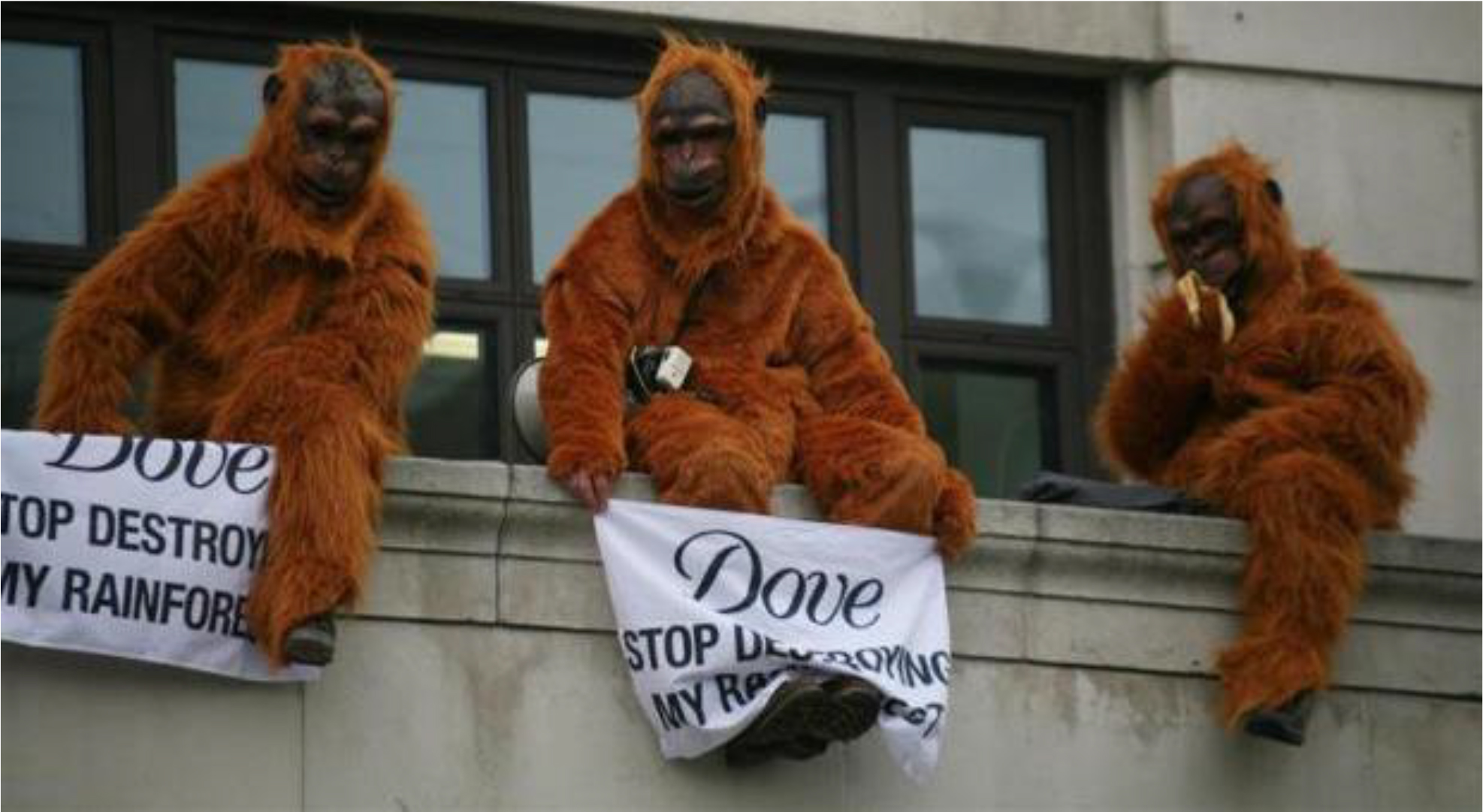
    Keith: At the very beginning, we had people from Greenpeace dressed in Orangutan outfits climbing on the front of Unilever house, and the line to me from my executive colleagues was "Keith, sort that out". This was all about Palm Oil (before the USLP).

    Wind forward 8 years when Kraft Heinz were making a very bold takeover bid of Unilever. We had a very comprehensive plan to defend against this . Week 1 was all about economic success and driving value. Week 2, which we never got to, was going to be communication about values. To show you the difference in change, in that week 2 plan, Greenpeace were going come out in support of Unilever - Greenpeace supporting a multinational was extraordinary.

    But what they were saying is that we want more multinationals, like Unilever, who are trying to make a positive difference even though they'd agree that we're not getting it completely right. I went out to meet Save the Children, UNICEF etc. to be very proactive and engage with these different stakeholders. I did a lot of listening.You've got to listen to understand, not listen to be seen to listen.

    We invited them in, and we used to report the progress we were making against the USLP. Paul would say, we've got to tell everyone what we're doing well, but equally, we have to tell everyone what we're doing badly.

    What you have to do is set a bold ambition, ambitious targets, and then be very transparent. I can remember the Unilever board saying, hold on, we're setting targets we don't even know how to achieve. And I said, no, we don't. Some we won't achieve, but others we will. And we did surprise ourselves. Some were much easier to achieve than other and some we'll never achieve, but NGOs never gave us an incredibly hard time because at the end of the day, it was clear what we were trying to achieve overall.

    And we had 50 time-based targets and you can track our progress. When we were missing targets, we'd say, look, can someone help us here? We don't know how to achieve this target. The amazing thing about the startup world and partnerships is that someone always steps forward and said, well, have you thought of this or that? I think it's working in a broad extended way. Don't feel you have to come up with all the answers yourself.

    Marc: What you're saying is, it doesn't matter that you don't know how, but if you are true to the intent and you're willing to be transparent and engage, people are actually going to help you.

    I want to get back to your journey, how it then went because people are writing those strategies now, and they're going to be talking about them very soon.

    Keith: Big bold vision. Strategy, purpose, vision, name something you want to go after. The next thing then is to develop a plan against that (we had the USLP) then engaging

    “Set a bold ambition, ambitious targets, and then be very transparent. ell everyone what you’re doing well, but equally, you have to tell everyone what you’re doing badly”

    everyone inside and outside of the businesses at scale. Then of course deliver and have transparent metrics. I've talked about the metrics on the environment, whether that being around waste or water or electricity, we had societal ones on diversity and inclusion but also then through to supporting small holder farmers and creating livelihoods, etc.

    But be willing to change as well. We got accused occasionally of changing metrics because they were too difficult to achieve which is true. Absolutely. We haven't been able to achieve this, but we'd be mad to carry on doing that. So, we're going to change. In parallel, I think you have to sort of manage the energy of the organization and the energy of your team. I'm a great believer that the first thing you need to do is manage your own energy because if you're low in energy, I guarantee, no matter how good you are, you'll be transmitting that to the people around you. There are some people who walk into a room and suck the very oxygen out of the air and with that all opportunity and possibility go out the window. I think what you need to try and do is bring positive energy. I'm not suggesting that you need to be Tigger every day but look at the plan and try to find the positive way forward and engaging people on that

    journey. I'm a great believer that leadership is helping people be at their best more of the time and what we all are is a bit brilliant, a bit mediocre and a bit shitty.

    And if you can get people to be shitty less of the time and brilliant more of the time across the whole business, the whole business lifts.

    “It's about unlocking the magic, and realizing that marketing is art and science. It is creativity and effectiveness. It is magic and logic”

    CORE MARKETING COMPETENCIES

    Marc: Let's focus the last 10 minutes on your role as a marketer. You've just talked about the personal characteristics (the inspiring storyteller, the infectious energy, the role you play in making people feel that); let's talk about the functional side. These are all CMOs and Growth Leaders that are trying to achieve change. But if you go to the function of marketing, what do you think are the the core competencies?

    Keith: Curiosity. The first and most important thing is being curious. Curious about what's going on in the world and how you, your brand and your service can achieve a future that has a more positive impact on the world and on people. One of the first things I do when I visit someone's house is go to the bathroom, lock the door, and open the cupboards just to see what they've got in them.

    I think marketers should be curious about what's around you. Of course, you've got to look at big market research reports, but you can also talk to friends and families.

    People-focused. Put people first and real people. People aren't a ‘head of hair’ looking for a shampoo or ‘pair of armpits’ looking for deodorant. They are real people with real lives. Understanding this would be another key component I would champion.

    Build brand-love. Branding as a mechanism for creating differentiation. Earlier today, I shared a wonderful YouTube clip that puts all the COVID ads together and they're all the same. Zero differentiation. Building brand love through brands with purpose is a fantastic way of avoiding that.

    Unlock the magic. Realize that marketing is art and science. It is creativity and effectiveness. It is magic and logic. More than ever, we need to get more magic, more creative to break through the clutter and get noticed, but we need to work more with logic and leverage data and insight and that's more possible than ever before. You don't have to be a brilliant marketer to be a brilliant marketing leader, but you have to surround yourself with brilliant marketers. I believe in committing to training and committing to coaching. You never see a football team that sits around eating chips and drinking beer all week and then gets up at the weekend and 'gives it a go'. They train, they coach, they build skills, but somehow in business, people think- I don't have time for that cause I'm too busy

    I believe in building skills, especially for marketers in this ever-changing world. You're very quickly out of skill. That's why marketers need to tweet and post and why they need to watch TV and cinema, and effectively live the life their consumers are living - that capability is important.

    If you can do the metrics bit and then the capabilities bit, I think you can unlock the potential of your marketing team.

    Marc: You made a plea for continuous learning, for curiosity, for development, not being too busy. You mentioned your own trips to Silicon Valley when no one else was going there. But you're bringing two sides together.

    What you have also done is become an educator. You mentioned your social media activities - in many ways, you're also giving back. As a marketing leader, you have such an education role among the non-marketers, but also among the marketers, don't you?

    Keith: I do think social media is an excellent way of sharing those, what I try and do is pass on interesting things going on. In the past, it was quite difficult to continuously learn. You had to be a real student, buy books etc, but now if you just graze a little bit, you can pick up all sorts of different insights.

    Marc: Well that's a good closing thought. So many of the big leaders have brought back the focus on humans; Bringing the focus to all stakeholders, including your consumers, your colleagues, and the communities you operate in. It's the humans you work with, and I think everyone listening will take away from this that it's not only possible, but it's been done. The data's there, the business results are there. I think you've paved the way for many to follow. I really want to thank you for your openness and willingness to share, not just what went well but also what didn't.

    Keith: Thank you, and to the many people joining. I'd like to close with one thought, you chose to become a marketer. You didn't choose to become an accountant or an investment banker or taxidermist or whatever. Being a marketer is fun; it's is about curiosity. It is about serving people, and I think we've got to remember that more than ever right now. Have some fun doing all this. I'm a great believer that miserable people deliver miserable results and marketers should bring some fun and some excitement into business, and through that we'll bring a little bit of hope and energy as well.

Never miss a webinar

Would you like to stay up to date on future IRG webinars?
Leave your email address to receive notifications